Jamaican Food Classics That Never Go Out of Style
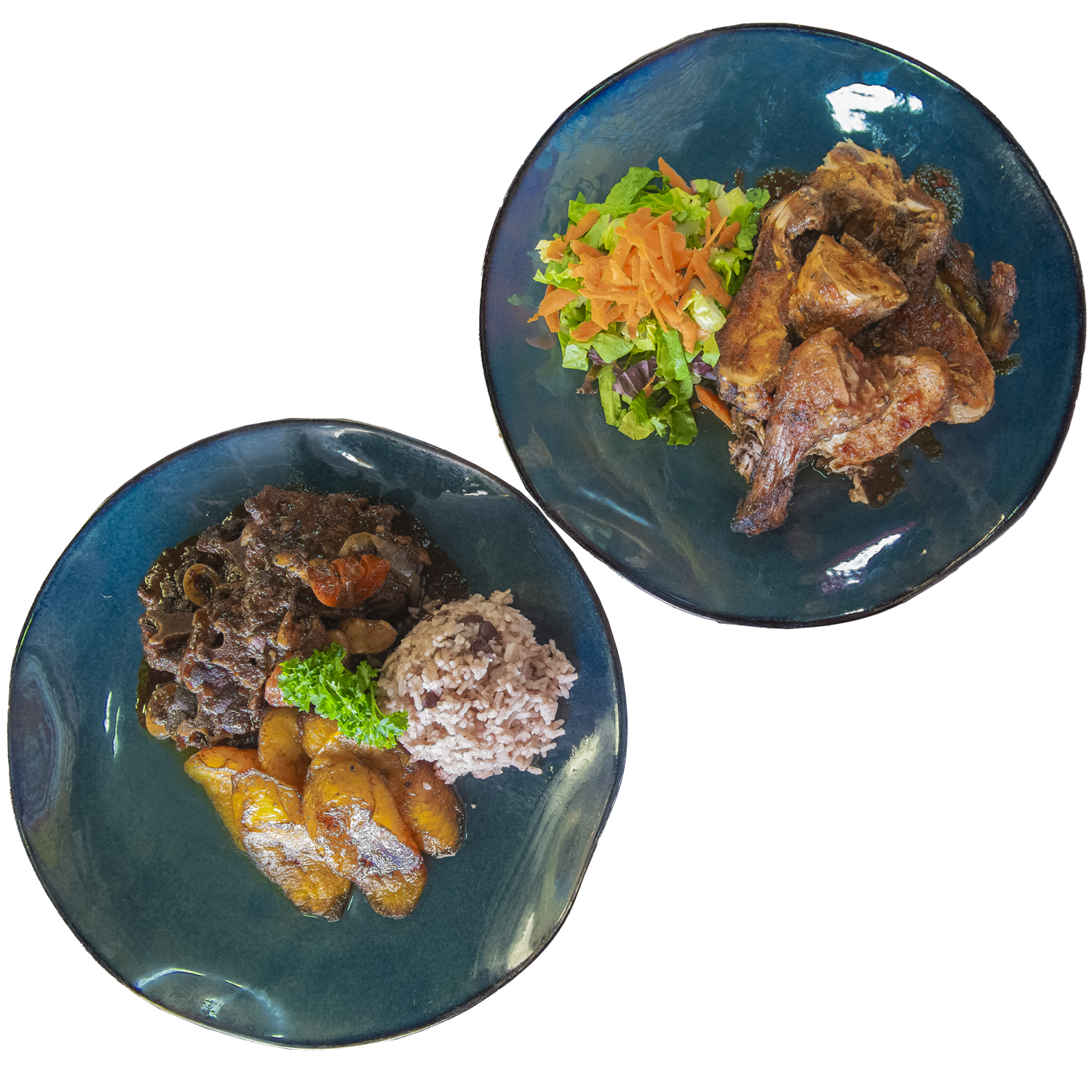
Jamaican food has a way of staying with you. It is bold without being careless, deeply seasoned without losing balance, and rooted in methods that reward patience. The dishes that endure in Jamaican kitchens, roadside cook shops, and family gatherings do so for a simple reason: they deliver satisfaction on every level. They feed hunger, certainly, but they also carry memory, geography, and habit. A proper plate tells you something about the island’s agricultural history, its trade routes, its African heritage, and the practical wisdom of cooks who learned how to make a little go far while still tasting generous.
What makes these classics timeless is not nostalgia alone. Plenty of foods are remembered fondly yet fade from regular life because they are fussy, expensive, or too tied to a particular era. Jamaica’s most enduring dishes have survived because they still make sense. They suit the climate, use ingredients that belong to the landscape, and respond well to both small home kitchens and larger gatherings. They can be refined or rustic. They hold up at breakfast, lunch, late-night street stops, Sunday dinner, and holiday feasts.
Spend any real time around Jamaican cooking and one thing becomes clear: the classics are not static museum pieces. They shift from parish to parish and family to family. One cook leans heavier on thyme, another on scallion. Someone’s brown stew carries a darker, sweeter finish. Someone else’s rice and peas gets cooked in a way that is almost creamy. Those variations are part of the point. A dish becomes a classic not because everyone makes it exactly the same way, but because enough people recognize its core and care enough to keep making it.
Why the classics last
The backbone of Jamaican food is flavor built in layers. Green seasoning, pimento, Scotch bonnet, ginger, thyme, garlic, onion, scallion, coconut milk, and browning all appear again and again, but they are handled differently depending on the dish. A cook learns quickly that the same ingredients can lead to very different results. Jerk should taste alive with smoke, heat, and warm spice. Curry goat should feel deeper, rounder, and slower. Escovitch should wake up the palate with acid and fire. Even before a pot reaches the table, the kitchen smells distinct.
Another reason these dishes never go out of style is that they respect texture. Jamaican cooks care how food feels. Fried plantain should be tender with caramelized edges, not greasy and collapsed. Festival should be lightly crisp outside and soft within. Patties need a pastry that flakes without shattering into dust. Ackee should stay delicate and creamy, not mashed into a scramble. That tactile attention is one of the quiet markers of good Jamaican cooking, and it is often what separates memorable food from a version that is only passable.
Then there is the matter of occasion. Some cuisines reserve their most iconic dishes for ceremony, but Jamaican classics move fluidly through everyday life. A patty can be a school lunch, a quick breakfast, or a snack grabbed between errands. Rice and peas might sit beside Sunday chicken one week and Christmas ham the next. Jerk lives equally well at a roadside pan and at a catered event. The food remains relevant because it belongs to ordinary life as much as celebration.
Ackee and saltfish, still the benchmark
If one dish captures the soul of Jamaican breakfast cooking, it is ackee and saltfish. The appeal is immediate once it is done properly. Saltfish brings firmness and salinity. Ackee, when handled with care, turns soft and buttery, almost custard-like. Onion, tomato, scallion, thyme, and Scotch bonnet stitch the two together into something savory, bright, and substantial without feeling heavy.
A lot can go wrong with this dish, and that is part of why a great version earns respect. Overcook the ackee and it breaks down into a mush that loses its distinctiveness. Under-season the saltfish and the plate tastes flat. Forget balance and the salt overwhelms everything. Skilled cooks know to desalinate the fish enough to make it pleasant while preserving character. They also understand that ackee should be folded, not bullied around the pan.
Served with fried dumplings, roasted breadfruit, boiled green banana, or bammy, ackee and saltfish offers one of the best examples of contrast in Jamaican food. You get salt against softness, heat against richness, and often a starchy side that anchors the meal. It is a breakfast with authority, but it does not rely on heaviness to make its point.
Jerk, where technique matters as much as seasoning
Jerk has traveled far beyond Jamaica, but distance has not always done it favors. Too often it gets reduced to a generic spicy marinade or a bottle label. Real jerk is a method as much as a flavor profile. The seasoning itself matters, of course, with pimento and Scotch bonnet doing much of the heavy lifting, but the fire, smoke, and pace of cooking are equally important.
Traditional jerk cooking often uses pimento wood, and that detail is not decorative trivia. It shapes the aroma in a way that ordinary grilling does not quite replicate. The meat, whether chicken or pork, cooks over heat that allows smoke to sink in while the exterior develops color and char. The best jerk tastes layered. The heat does not just attack. It arrives with sweetness, smoke, herbal notes, and a slight bitterness from the charred edges that keeps the whole thing interesting.
Jerk chicken may be the most widely recognized version, but jerk pork remains a benchmark for many serious eaters because pork’s fat carries the seasoning and smoke so well. A good piece has crisp, dark edges and tender interior meat that still tastes of itself beneath the spice. That last point matters. Jerk should not bury the meat. It should intensify it.
Roadside jerk centers understand something that upscale adaptations sometimes miss: this is food that benefits from immediacy. Straight off the grill, chopped to order, wrapped with festival or bread, maybe with a little extra sauce on the side, it hits differently. The texture is livelier. The smoke is more vivid. You can smell it before you see it, which is often the first sign you are in the right place.
Curry goat, patient cooking at its best
Some dishes reward speed. Curry goat is not one of them. It needs time for the spices to settle into the meat and for tougher cuts to loosen into tenderness. When cooks rush it, you can tell. The curry sits on the surface rather than penetrating, and the sauce feels thin in both body and character.
A proper pot of curry goat should taste complete. The goat brings a slightly stronger flavor than beef or chicken, and that strength is exactly why it works so well with curry, allspice, garlic, ginger, thyme, and Scotch bonnet. Potatoes often go in later, where they absorb flavor and help thicken the gravy without turning it stodgy. By the time it is served, the sauce should cling, not run.
At Jamaican gatherings, curry goat often occupies a place of honor. Weddings, parties, funerals, holidays, and big Sunday dinners all make room for it. That repeated presence across major occasions is one reason it never falls out of favor. People associate it with abundance, care, and competence. When a host serves excellent curry goat, guests notice.
There is also an economic and practical side to its staying power. Tougher cuts and longer cooking are old companions in many great cuisines. Jamaican cooks, like cooks everywhere with real kitchen sense, have long known how to turn less tender ingredients into prized dishes through marinating, browning, simmering, and seasoning. Curry goat embodies that intelligence beautifully.
Rice and peas, the essential partner
No discussion of Jamaican food classics is complete without rice and peas, though the dish is often underestimated by people who focus on the more dramatic mains. That is a mistake. Rice and peas is not filler. It is structure. It steadies the plate and carries flavor from whatever sits beside it.
The standard Jamaican version is typically made with kidney beans or gungo peas depending on the season and the occasion, cooked with coconut milk, thyme, scallion, allspice, and sometimes Scotch bonnet left whole to perfume the pot without splitting open. Done well, each grain remains distinct while still absorbing the richness of the cooking liquid. Done poorly, it turns gummy, bland, or overly wet.
Good rice and peas has quiet authority. It can support jerk chicken, brown stew chicken, oxtail, curry goat, fried fish, or stew peas without disappearing. It also reveals how disciplined a cook is. Because the ingredients seem simple, there is nowhere to hide. The liquid ratio, the timing, the seasoning level, and the final steam all matter. People may remember the main dish first, but they always notice when the rice and peas is exceptional or disappointing.
Brown stew chicken, the home table favorite
If jerk is the street-side showstopper and curry goat the celebration dish, brown stew chicken is often the meal that speaks most clearly of home. It is deeply familiar, widely loved, and more nuanced than outsiders sometimes assume.
The process usually begins with seasoning the chicken generously, then browning it before simmering it with onion, tomato, sweet pepper, garlic, thyme, and enough liquid to create a rich gravy. Browning sauce gives the dish its characteristic color and slight bittersweet depth, but it takes judgment to use it well. Too little and the stew lacks its dark, rounded identity. Too much and the taste becomes harsh.
A strong brown stew chicken should strike a balance between savory depth and a gentle sweetness from the vegetables and browning. The gravy needs body, but not so much thickness that it feels muddy. The chicken should remain intact and tender, not stripped into stringy collapse. On a plate with rice and peas and perhaps steamed cabbage or plantain, it offers the kind of satisfaction that keeps people returning to a dish for decades.
This is one of those meals that many Jamaicans grew up eating in some form, and it rewards repetition. The first bite may seem straightforward. By the third or fourth, you begin to appreciate the small choices behind it, how the thyme sits in the gravy, how the sweetness is controlled, how the browned chicken flavor stays present.
Patties, the portable classic
The Jamaican patty deserves its own respect because it proves that convenience food can still show craft. At its best, a patty is portable, affordable, and deeply flavorful, yet none of those qualities excuse sloppy execution. In fact, they make standards even more important.
The pastry should be golden and tender, with enough flake to feel light but enough structure to contain the filling cleanly. The traditional yellow hue often comes from turmeric or curry in the dough, which adds both color and subtle earthiness. Inside, the filling must be seasoned assertively because the pastry softens intensity. Beef remains the standard for many people, but chicken, vegetable, and saltfish versions all have their place.
Heat matters here too, and not just oven temperature. A patty should carry enough pepper to be recognizably Jamaican without flattening the filling into pure heat. Texture matters just as much. A filling that is too loose turns messy, while one packed too tightly loses charm. There is a sweet spot where the meat is moist, finely crumbled, and held together just enough.
The patty’s https://maps.app.goo.gl/LnpmYamy5BRY1Cs57 staying power comes from how well it fits daily life. It works for schoolchildren, commuters, workers grabbing lunch, and anyone needing a quick bite that still tastes distinct. Pair it with coco bread and you have one of the great practical pleasures in Caribbean food, substantial, inexpensive, and far more satisfying than many fast-food alternatives.
Escovitch fish and the brilliance of contrast
Escovitch fish shows another side of Jamaican cooking, one built around sharpness, freshness, and the discipline of frying well. Usually made with whole fried fish, often snapper when available, it is topped with a vinegary dressing of onions, carrots, Scotch bonnet, and sometimes bell peppers. The result is one of the cuisine’s most compelling studies in contrast.
A strong escovitch begins with the fish itself. The skin must fry up crisp, the flesh remain moist, and the seasoning penetrate beyond the surface. Then comes the pickled topping, which should taste lively and hot without drowning the fish in raw acidity. The vegetables need a little bite left in them. Limp escovitch vegetables are a small but telling disappointment.
This dish never goes out of style because it feels complete in a different register from stews and grilled meats. Where curry goat and oxtail deliver richness, escovitch refreshes. It wakes up the appetite on hot days and sits especially well beside bammy, festival, or simple sides that absorb some of the pepper vinegar. It is also one of the clearest reminders that Jamaican food is not only about smoke and heat. It is also about acid, crunch, and restraint.
Oxtail, once humble, now prized
Oxtail’s rise from economical cut to luxury item is well known in many cuisines, and Jamaica is no exception. Yet the reason it remains a classic goes beyond market trends. Properly cooked Jamaican oxtail offers deep, sticky, almost velvety richness that few dishes can match.
The meat is usually seasoned and browned before being braised slowly with broad beans, herbs, aromatics, and enough liquid to coax collagen into a glossy sauce. The best versions feel concentrated without becoming heavy-handed. You should taste beef, spice, and the sweetness that emerges naturally from long cooking, not just salt and thickness.
Because oxtail is expensive now in many markets, it has become less everyday than it once was. Even so, it has lost none of its appeal. If anything, scarcity has sharpened appreciation. People order it when they want comfort with gravitas. Restaurants feature it because diners know what they are seeking: tenderness that yields with almost no effort and gravy worth chasing across the plate with rice or vegetables.
Stew peas, the soulful outlier
Stew peas often surprises people unfamiliar with Jamaican cooking because the name suggests something lighter than what arrives. In reality, it is a hearty, deeply satisfying dish made with red peas, salted meat or pig’s tail in many traditional versions, and flour dumplings simmered until the pot becomes rich and savory.
This is not a flashy dish, and that is part of its endurance. It speaks to thrift, nourishment, and the kind of kitchen knowledge built over years rather than trends. The peas soften and thicken the broth. The meat seasons the pot. The dumplings turn it into a full meal. Scotch bonnet and thyme give it shape. What emerges is closer to an event than a side dish.
Stew peas has the kind of staying power that comes from emotional usefulness. It comforts. It fills. It stretches ingredients into something generous. In many households, those qualities matter as much as spectacle, sometimes more.
Sides that carry their own weight
One of the pleasures of Jamaican food is that side dishes are rarely afterthoughts. Fried plantain, festival, bammy, boiled provisions, callaloo, and steamed cabbage each bring specific value to the plate. They add sweetness, starch, softness, crunch, or relief from heat.
Take fried plantain. When it is ripe enough to caramelize but not so ripe that it collapses, it provides sweetness that lifts savory mains beautifully. Festival, lightly sweet and crisp-edged, is especially good with jerk because it counters smoke and heat without muting them. Bammy, made from cassava, brings chew and quiet earthiness that pairs naturally with fish. These are not decorative extras. They complete the meal’s architecture.
That attention to the whole plate is one reason Jamaican classics remain compelling. A meal is rarely about a single dominant note. It is composed. Heat gets matched with starch, richness with acid, smoke with sweetness, soft textures with crisp ones. The classics persist because they are built intelligently.
What authenticity really looks like on the plate
Authenticity in Jamaican food is often discussed too narrowly, as though one exact formula could govern every kitchen. In practice, authenticity has more to do with understanding the character of a dish than copying a rigid script. A brown stew chicken made in Kingston may differ from one made abroad with what is available, yet both can feel true if the seasoning logic, texture, and spirit are respected.
That said, there are limits. Substitutions can help, but they can also flatten identity. If jerk lacks pimento and real heat, if rice and peas skips the coconut milk and herbs entirely, if ackee is cooked into a scramble, the dish starts to drift away from itself. Experienced cooks know where flexibility strengthens a recipe and where it erodes it.
The best Jamaican food classics survive adaptation because their foundations are strong. They can travel, but they still demand care. That is why the memorable versions often come from people who understand not only ingredients, but timing, texture, and context.
Why these dishes still matter
Trends come and go. Menus swing toward novelty, then back toward comfort. Social media briefly crowns one dish after another. Through all of that, Jamaican food classics keep their footing because they are not built on novelty in the first place. They are built on flavor that satisfies, methods that make sense, and combinations that have been tested over generations.
They also continue to matter because they welcome both expertise and appetite. A seasoned cook can spend years refining jerk technique or adjusting the exact finish of curry goat gravy. A hungry guest can simply sit down and know within one bite whether the food is honest. That directness is powerful.
Jamaica’s enduring dishes do not need reinvention to stay relevant. They need good ingredients, steady hands, and cooks who understand why each element is there. When that happens, the result is food with staying power in the truest sense. It feeds the present without loosening its hold on the past. That is why ackee and saltfish, jerk, curry goat, rice and peas, patties, escovitch fish, brown stew chicken, oxtail, and stew peas never really age out. They are not classics by reputation alone. They earn the title every time they are made well.
Reggae Pot Jamaican Grill
7562 S University Blvd C, Centennial, CO 80122
(303) 997-5623
FAQ About jamaican food
What is the best Jamaican food to try in Centennial?
The best choice depends on your preferences. Reggae Pot Jamaican Grill offers jerk chicken, curry goat, oxtail, and escovitch snapper, along with sides such as rice and peas and fried plantains. Ask the restaurant about current availability and spice levels before ordering.
Is Jamaican food very spicy in Centennial?
Heat varies by dish and preparation. Jerk dishes can be hot, while some stews and sides are milder. Tell the restaurant your preferred heat level and ask which options suit you.
What is typically on a Jamaican menu?
Common choices include jerk chicken, curries, oxtail, fish, patties, rice and peas, and plantains. Reggae Pot also lists ackee and saltfish and vegetable dishes. Menus and availability can change, so confirm your choices when ordering.