How a Pizza Restaurant Uses Fresh Dough to Win Customers

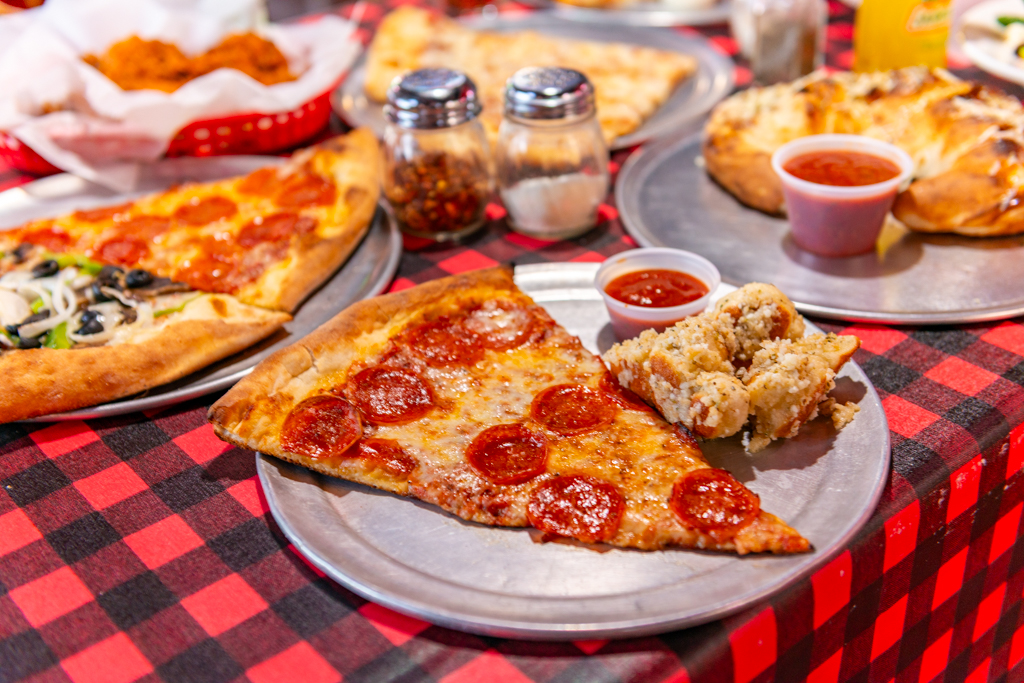
Walk into a busy pizza restaurant at the right time of day and you can usually tell, before you taste a slice, whether the place takes dough seriously. The air smells faintly of yeast and toasted flour. Dough boxes are stacked with purpose, not as decoration. Staff move with the calm urgency of people who know that timing matters. The pizzas coming out of the oven have structure, color, and a crust that looks alive.
Customers may not know the hydration percentage or the fermentation schedule. Most do not need to. They read freshness through texture, aroma, and the way a crust tears, chews, and crisps. They notice when a https://blogfreely.net/cillenrndm/how-a-pizza-restaurant-turns-meals-into-shared-experiences pizza feels light rather than heavy. They notice when the edge blisters properly, when the bottom has character instead of grease, and when the last bite is as good as the first. Fresh dough, handled well, creates those moments. That is why it wins customers.
In the restaurant business, many competitive claims are easy to make and hard to prove. Every operator says the sauce is special. Every menu promises quality ingredients. Fresh dough is different because it shows up in the product in a way guests can feel immediately. It affects flavor, appearance, aroma, digestion, hold time, and even the emotional impression of the meal. For a pizza restaurant trying to stand out in a crowded market, dough is not just a component. It is the foundation of the brand.
Fresh dough changes the first impression
A guest forms opinions quickly. The menu design matters, the lighting matters, the greeting matters, but pizza is still a sensory business. The moment the pie hits the table, the crust starts speaking. Fresh dough gives a pizza visual appeal that frozen shells and rushed, underdeveloped dough rarely match. The rim rises with more confidence. The crumb opens. The bake develops variation, pale gold in one spot, deeper leopard-like marks in another, depending on the style. The whole pie looks less manufactured and more cooked.
That first impression shapes expectations. If the crust looks dry, flat, or uniformly lifeless, customers assume the rest will be average too. If it looks vibrant, with volume and color, people expect care. Expectations affect satisfaction more than many operators admit. A good dough program helps a pizza restaurant start the meal with credibility.
I have seen this play out in simple, practical ways. When a dining room sends out a pizza with an attractive crust, servers hear different comments. Guests point at neighboring tables and ask what they ordered. Parents pull off a piece of the edge crust and hand it to kids first. Couples who thought they would split one pizza often add a salad or dessert because the meal feels worth extending. Fresh dough raises perceived value before anyone discusses price.
Flavor begins long before toppings go on
Many customers assume pizza flavor comes mostly from toppings. Toppings matter, of course, but the crust occupies a large share of every bite. A pizza with premium cheese and expensive cured meat still disappoints if the base tastes flat. Fresh dough developed properly through fermentation contributes sweetness, nuttiness, mild acidity, and deeper wheat flavor. Those notes make even a simple cheese pizza memorable.
This matters commercially because the best-selling pizzas in many shops are not the most overloaded specialty pies. They are the reliable standards: cheese, pepperoni, margherita, sausage, mushroom. In those pizzas, the dough is exposed. There is nowhere to hide. When the crust tastes good on its own, the whole menu becomes stronger.
Fermentation is where the value appears. Even a modest 24-hour cold fermentation can improve flavor noticeably compared with dough mixed and baked the same day. Stretch that to 48 or 72 hours, if the operation can handle it, and the dough often gains complexity and better browning. That does not mean longer is always better. Some high-volume shops run into overproofing, storage constraints, and inconsistency if they push too far. The point is not to chase a romantic number. The point is to give the dough enough time to become itself.
Customers respond to that difference, even if they describe it in plain language. They say the crust tastes fresh. They say it has more flavor. They say the pizza is not as heavy. Those are not technical reviews, but they are commercially powerful. People return to restaurants that give them a clear sensory payoff.
Texture is where loyalty gets built
Flavor gets attention, but texture builds repeat business. Great dough creates contrast. The crust can be crisp at the bottom, airy at the rim, and tender through the interior. That contrast keeps the pizza interesting from bite to bite. A crust with one-note texture, either bready all the way through or cracker-dry and brittle, tends to satisfy less over time.
Fresh dough offers a texture advantage because it retains gas more effectively and responds better to heat. It has elasticity and extensibility when managed well. That means the pizzaiolo can stretch it without tearing, preserve air in the outer edge, and launch a pie that expands properly in the oven. The result is not just prettier. It eats better.
For a pizza restaurant, this matters in every service model. Dine-in guests want a crust that stays appealing across a meal. Delivery customers need a pizza that can travel without collapsing into a dense, soggy disappointment. Carryout buyers often eat part of the pie immediately and part later, so the crust needs resilience. Fresh dough improves the odds on all three fronts, though each channel requires slightly different handling.
A common mistake is treating fresh dough as magic on its own. It is not. A poor bake can waste an excellent dough ball. So can sloppy stretching, overloaded toppings, or a weak box setup for delivery. Still, when operators solve those surrounding issues, fresh dough gives them far more to work with. It creates a stronger margin for error because the product starts from a healthier place.
The theater of dough matters more than people think
Open kitchens changed customer expectations for a reason. People like watching craft happen. Dough gives a pizza restaurant a visible process that communicates effort, discipline, and authenticity without a single marketing line.
When guests see staff scaling dough, balling it, opening it by hand, and moving with practiced control, they understand that the restaurant is making something rather than merely assembling something. That distinction matters. It makes the meal feel less industrial and more personal. In a market where consumers have endless options, the perception of craft can separate a local favorite from a forgettable stop.
Even in stores without a fully open line, dough can still become part of the experience. A proofing rack visible near the kitchen, flour on the bench that looks used rather than staged, and the rhythm of pizzas being stretched in sequence all tell a story. None of this should become gimmicky. Guests can usually sense when a restaurant is putting on a performance instead of practicing a real craft. But when the process is genuine, it becomes one of the most persuasive forms of marketing a pizza restaurant can have.
This is especially true for first-time guests who came because of a review, a recommendation, or a social media post. They arrive curious. Fresh dough operations give them something concrete to believe in.
Fresh dough supports premium pricing, if the product delivers
There is a straightforward business argument for better dough. It can justify a higher check average. Customers are more willing to pay for pizza when the base product feels made with intention. They do not want to feel nickeled and dimed, but they will accept pricing that matches visible quality.
That said, operators should be careful about assuming fresh dough automatically grants permission to charge more. Customers pay premiums for outcomes, not claims. If the restaurant advertises house-made dough but sends out uneven pizzas, the quality message collapses. The gap between promise and experience becomes more damaging than if the restaurant had said less.
When fresh dough is executed consistently, however, it changes pricing psychology in subtle ways. Guests become more comfortable ordering a simple pie because the crust itself carries value. They are less dependent on expensive toppings to feel they got their money’s worth. This can improve menu economics. The restaurant can sell more high-margin classics while still presenting an elevated experience.
A well-run dough program also supports upselling around the edges. Appetizers made from extra dough, garlic knots, dough-based desserts, or limited-time pies often perform better when customers already trust the crust. They have tasted the base product and want more of it in different forms.
Operational discipline is the hidden advantage
Fresh dough is not only a guest-facing quality story. It can also sharpen internal standards. Restaurants that commit to serious dough production usually become more disciplined in forecasting, prep, storage, and line communication. Dough forces respect for time.
A frozen product can mask planning mistakes. Fresh dough exposes them. If a store underproduces, it risks running out during peak hours. If it overproduces, it increases waste or creates quality problems the next day. If it mishandles temperature, it loses consistency. Those pressures are real, but they often improve the operation overall because they require tighter management.
A pizza restaurant that manages fresh dough well tends to know its sales patterns better. It pays closer attention to weather, events, local school schedules, sports nights, and delivery spikes. It tracks how Friday differs from Tuesday, how lunch dough behaves compared with dinner dough, and how long a dough ball can sit on the line before performance drops. That kind of operational awareness spills into other areas of the business.
There is also a morale factor. Skilled prep work gives kitchen teams ownership. People like being trusted with a craft that matters. Training a staff member to mix, portion, ferment, and handle dough properly can be more engaging than asking them to open boxes and follow reheating procedures. Not every employee will care deeply, but enough will, and those people often become anchors for consistency.
Where restaurants get it wrong
Fresh dough can win customers, but only when the restaurant respects what the process demands. Plenty of operators decide to switch to fresh dough because it sounds like a strong marketing move, then struggle because they underestimate the system behind it.
The first problem is inconsistency. A dough program lives or dies on repetition. If hydration changes unintentionally, if water temperature is not controlled, if fermentation times drift wildly, the product will vary from shift to shift. Guests may not use technical language, but they absolutely notice when the pizza they loved last week is dense tonight.
The second problem is weak training. Fresh dough is forgiving in some ways and unforgiving in others. Staff need to understand feel, not just recipe cards. A dough ball that is too cold behaves differently from one that is overproofed. One tears. The other spreads too fast. If line cooks are not trained to recognize those differences, service quality drops quickly.
The third problem is false economy. Some operators invest in better flour and fermentation time, then choke the process elsewhere by rushing proofing, overloading pizzas to create the appearance of value, or baking in ovens that are not calibrated properly. The dough ends up blamed for issues caused by the system around it.
I have seen restaurants improve dramatically by making one simple shift: treating dough as a living product rather than an inventory item. Once that mindset changes, better decisions follow. The team starts asking different questions. Is the walk-in too cold for this stage? Should we pull dough earlier for tonight’s rush? Is the bench flour affecting the bottom bake? Those are the questions that produce better pizza.
The marketing message works best when it is understated
Fresh dough is highly marketable, but the strongest restaurants rarely oversell it. They let the pizza do the talking, then support it with a few clear details. A line on the menu about daily dough production, a note about fermentation, or a short explanation from staff can be enough.
Customers tend to trust specific, modest claims more than sweeping ones. Saying the dough is made in-house daily and cold-fermented for flavor sounds credible. Saying it is the best dough in the city does not. Precision beats hype.
Photos and short-form video help too, especially when they show real process instead of polished fantasy. A clip of dough being opened by hand, trays being stacked after mixing, or a finished crust with visible oven spring can outperform generic food glamour shots because it gives viewers evidence. It says this pizza restaurant has a point of view and a process behind it.
Word of mouth is where fresh dough often pays off most. People rarely rave about convenience alone. They talk about food that felt better than expected. “The crust was incredible” is one of the most valuable endorsements a pizzeria can earn because it suggests the praise is not topping-dependent. It implies the whole foundation is strong.
Why simple pizzas become the real test
Any restaurant can hide flaws under heavy toppings. Dough quality reveals itself on the simplest pies. That is why experienced operators often judge a pizza restaurant by a plain cheese slice or a basic margherita. If the dough works there, the rest of the menu has a strong backbone.
Customers do something similar, though less formally. Many will order a familiar pie on a first visit because it gives them a benchmark. If the crust and sauce are right on a standard pizza, they trust the restaurant enough to try more adventurous combinations later. Fresh dough helps win that first trial.
This has a practical implication for menu design. Restaurants with strong dough do not need to rely on novelty as heavily. They can still run seasonal specials and creative combinations, but they do not have to constantly chase attention with excess. The basics become profitable stars instead of obligatory menu fillers.
That is a healthier long-term position. Novelty can bring people in once. Great crust brings them back.
Delivery, takeout, and the fresh dough challenge
Not every pizza style made with fresh dough travels equally well. This is one of the trade-offs operators need to face honestly. A very delicate Neapolitan-style pizza can be extraordinary in the dining room and disappointing after a 20-minute car ride. A sturdier New York or contemporary artisan style may hold up better. Fresh dough still matters in both cases, but the intended service channel should shape the final product.
Smart operators adapt. They may alter bake time slightly for delivery, vent boxes differently, or recommend certain pies for dine-in versus takeout. They may keep some toppings lighter to preserve crust integrity. These are not compromises of principle. They are signs of operational maturity.
Customers appreciate when a pizza restaurant understands how its food behaves after it leaves the oven. There is professionalism in designing for reality rather than romance. If a pie is best eaten immediately, say so. If another style travels beautifully, steer guests toward it. Fresh dough builds the quality case, but honest service keeps trust intact.
The emotional side of freshness
There is one more reason fresh dough wins customers, and it is harder to measure than food cost or ticket average. It makes a restaurant feel alive. People are drawn to businesses where something real is happening every day. Fresh dough is evidence of that daily commitment.
It says the restaurant has to show up early. It has to plan tomorrow while serving today. It has to care about variables that guests never see directly. That kind of discipline creates an atmosphere customers can feel, even if they cannot name it. The meal feels less transactional.
That emotional effect matters more than many spreadsheets capture. A family choosing where to eat on Friday night is not solving a technical problem. They are choosing how they want to feel. A couple ordering takeout after a long week wants comfort, reliability, and a little pleasure. A neighborhood regular wants a place that seems to care whether tonight’s pie is as good as the last one. Fresh dough helps deliver that reassurance.
What sets the best operators apart
The strongest dough programs usually share a few traits. They are methodical without becoming rigid. They document what matters, but they also train staff to use judgment. They know their dough schedule as well as they know their sales report. Most importantly, they understand that dough is not a talking point. It is a practice.
For a pizza restaurant, that practice can become a durable advantage. Competitors can copy toppings quickly. They can mimic menu language by next week. They can repaint the dining room in a month. They cannot easily replicate a dough culture, in both senses of the word, if they have not built the habits behind it.
That is why fresh dough remains one of the clearest ways to win customers in pizza. It improves flavor and texture. It strengthens visual appeal. It supports a credible quality story. It encourages operational discipline. It creates repeat business because the product itself feels worth returning for.
When guests remember the crust, they remember the restaurant. And when they come back because of the crust, fresh dough has done exactly what great fundamentals are supposed to do: turn a meal into a preference, and a first visit into loyalty.
RUFFRANO'S HELL'S KITCHEN PIZZA Security
385 Main St, Colorado Springs, CO 80911
(719) 390-4355
FAQ About pizza restaurant
Is there a Hell's Kitchen pizza restaurant in Security-Widefield?
Yes. Ruffrano's Hell's Kitchen Pizza has a Security-Widefield location at 385 Main St.
Where can I find pizza delivery in Security-Widefield?
Ruffrano's Security location offers online ordering. Enter your address at checkout to check delivery availability and fees.
Where can I find gluten-free pizza in Security-Widefield?
Ruffrano's menu lists a 12-inch gluten-free option. Call the Security location to confirm availability and ask about shared equipment if cross-contact is a concern.